
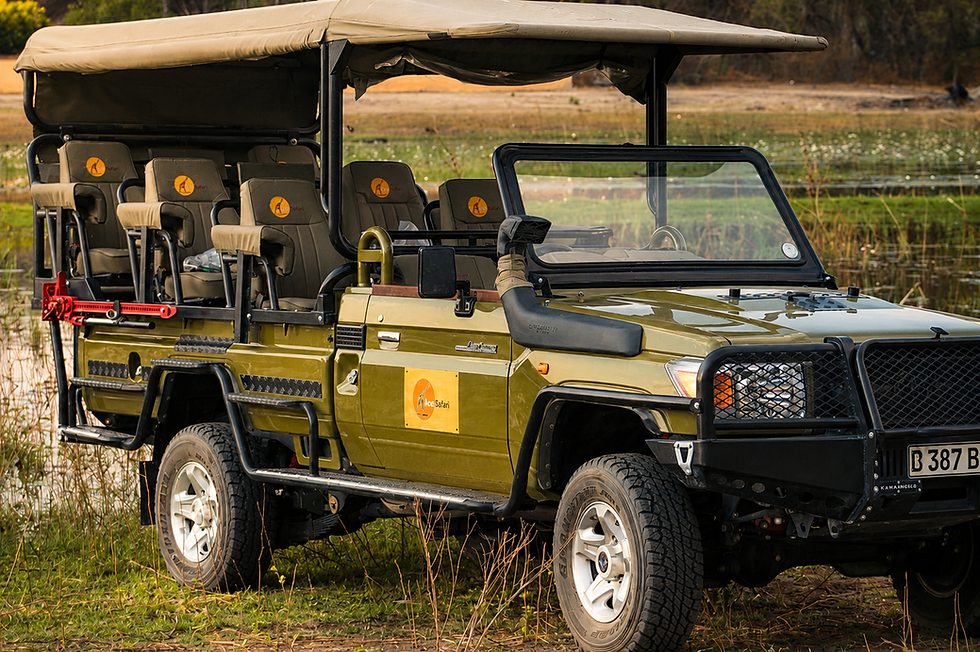
With ETA, we believe that true adventure is a respectful dialogue with nature. Our safaris are designed to be deeply immersive yet minimally intrusive, ensuring that the pristine beauty we share today thrives for generations to come. We partner exclusively with local communities and conservation projects, making every journey a force for good.





Okavango Delta
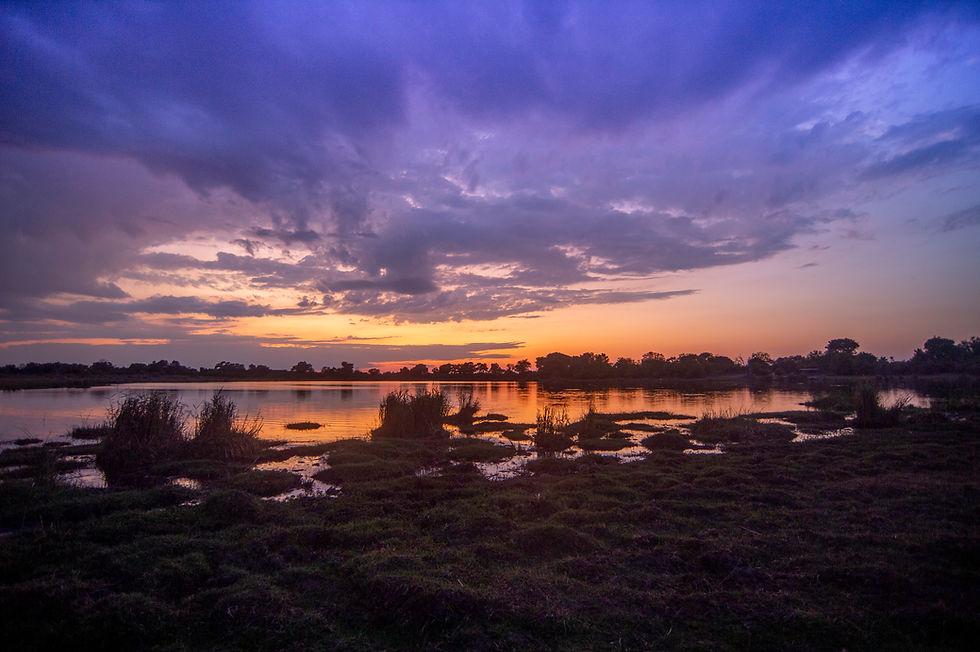
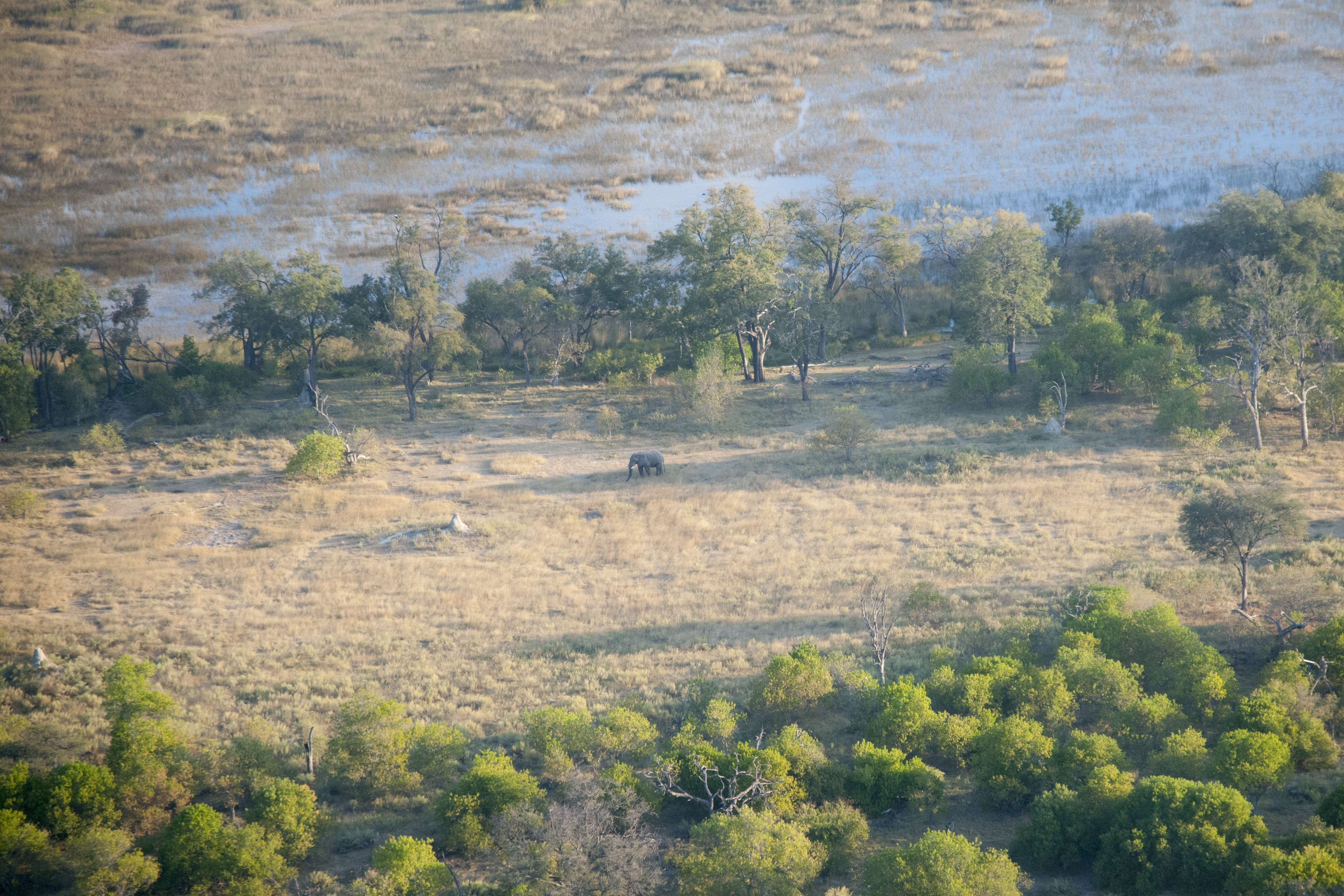
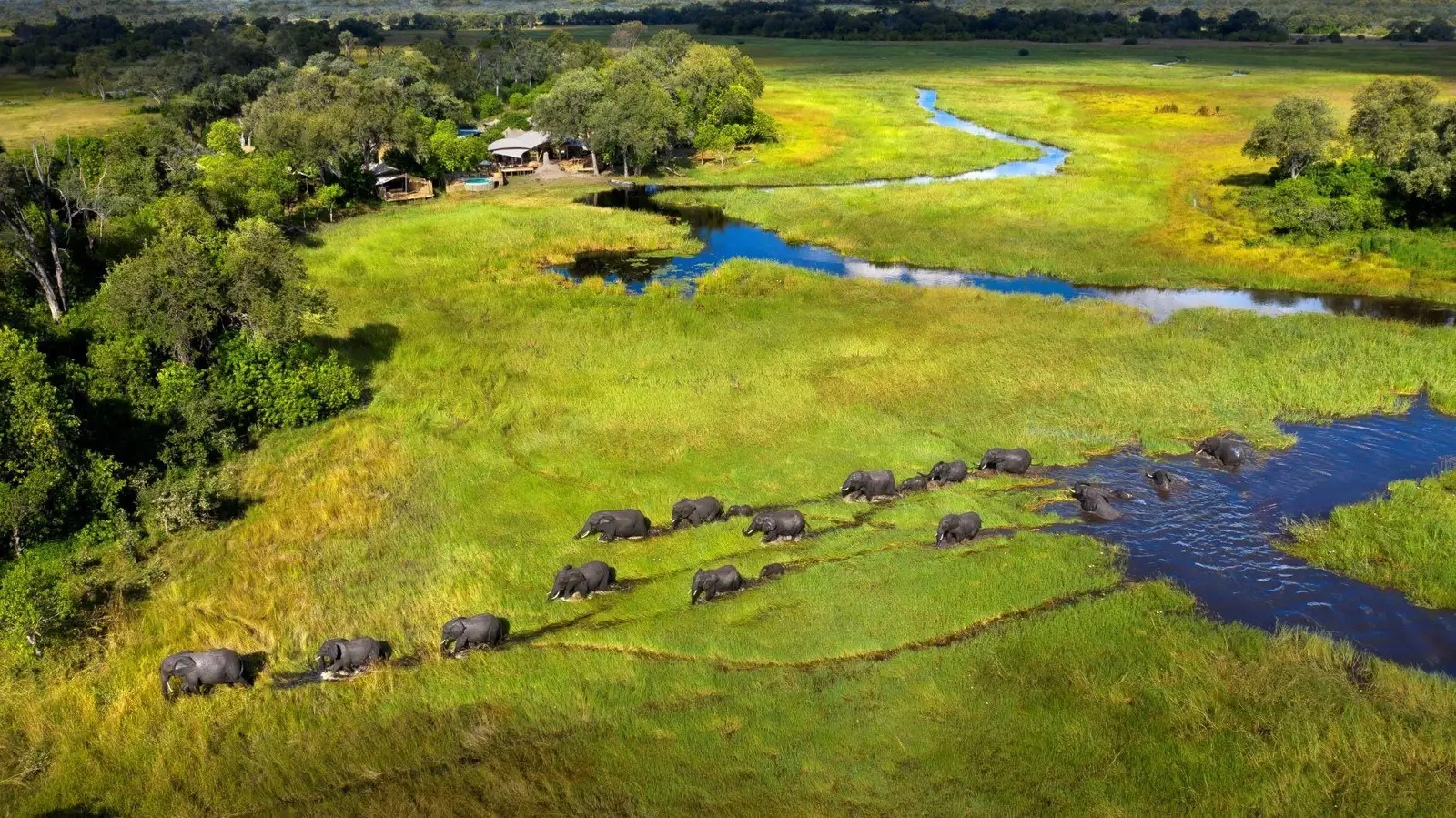
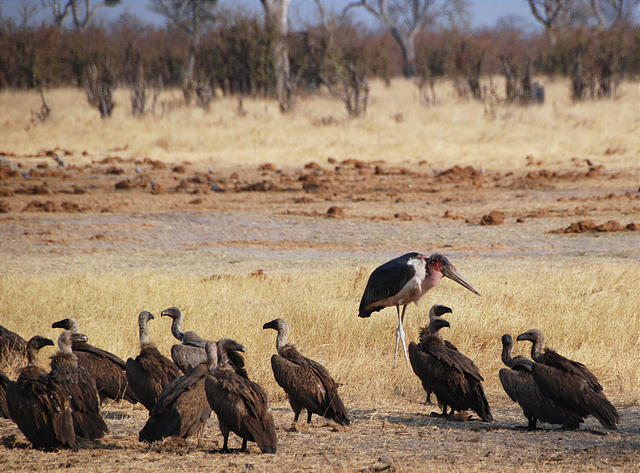
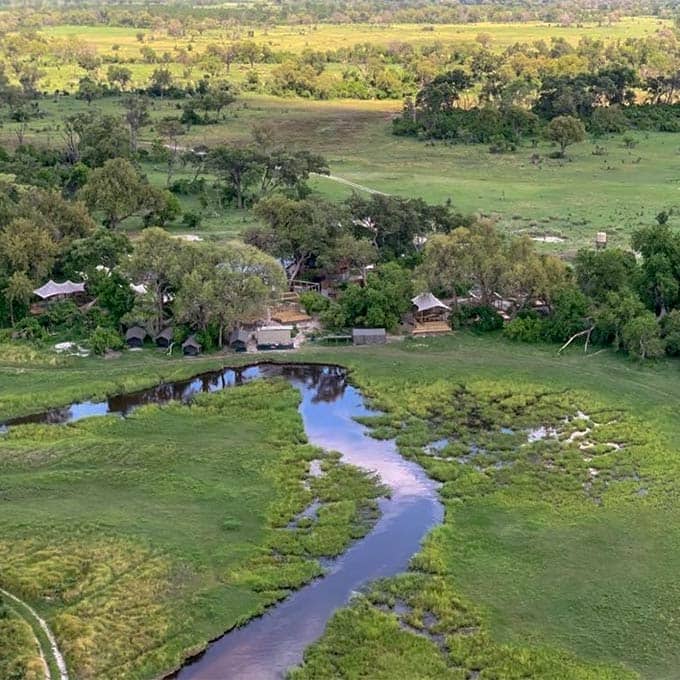
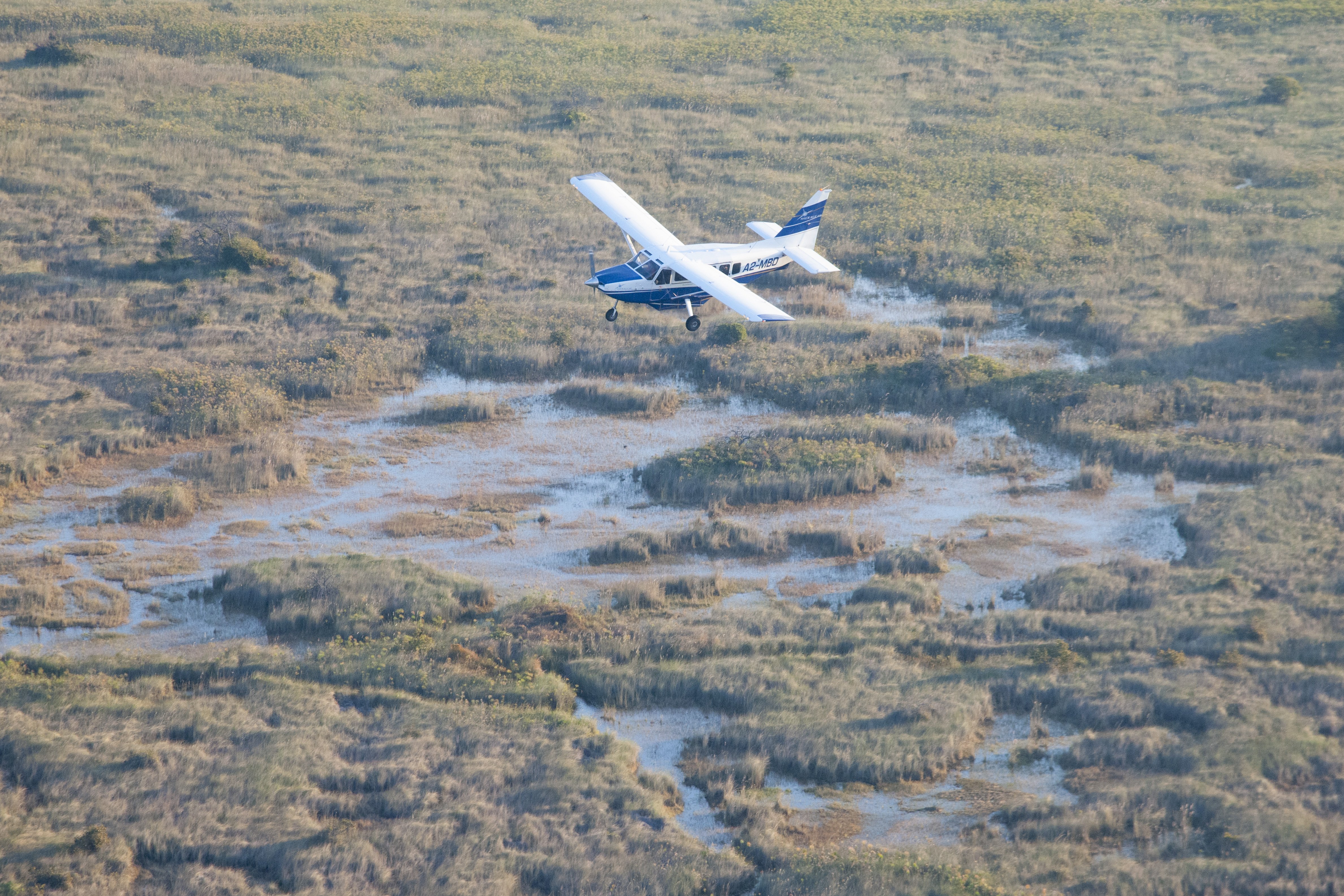
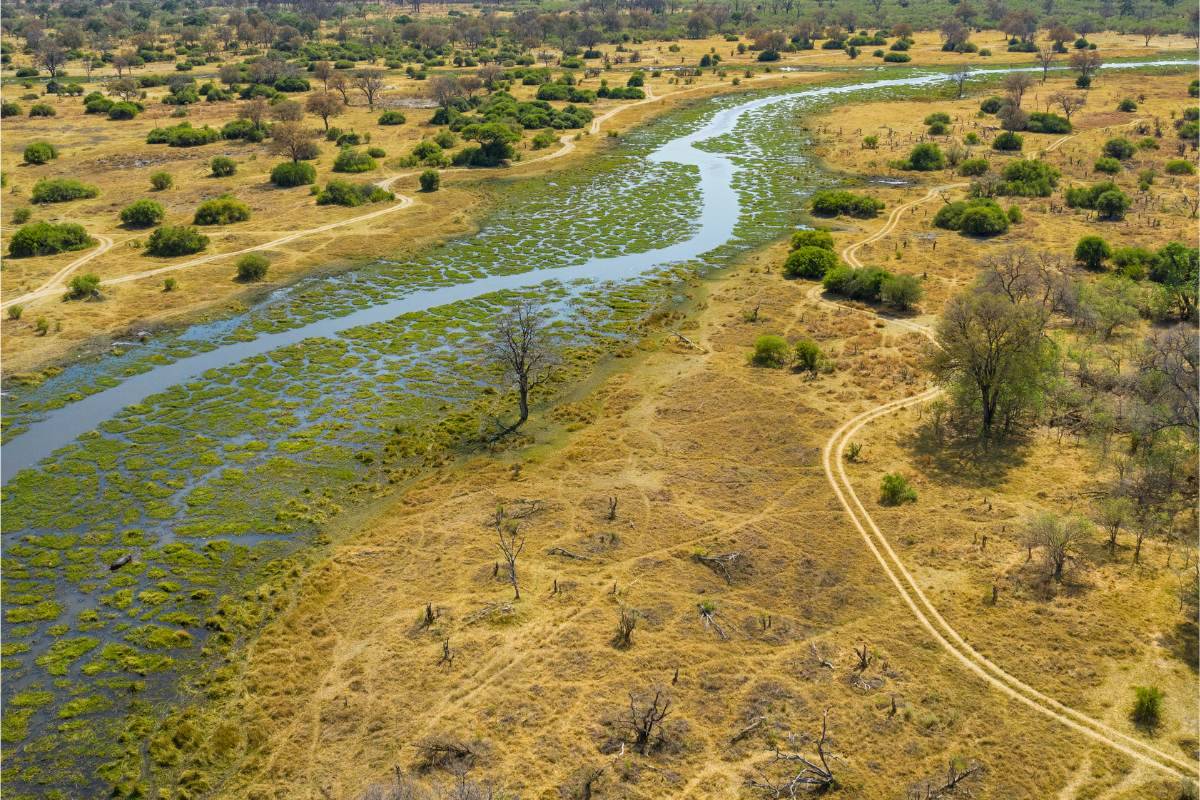
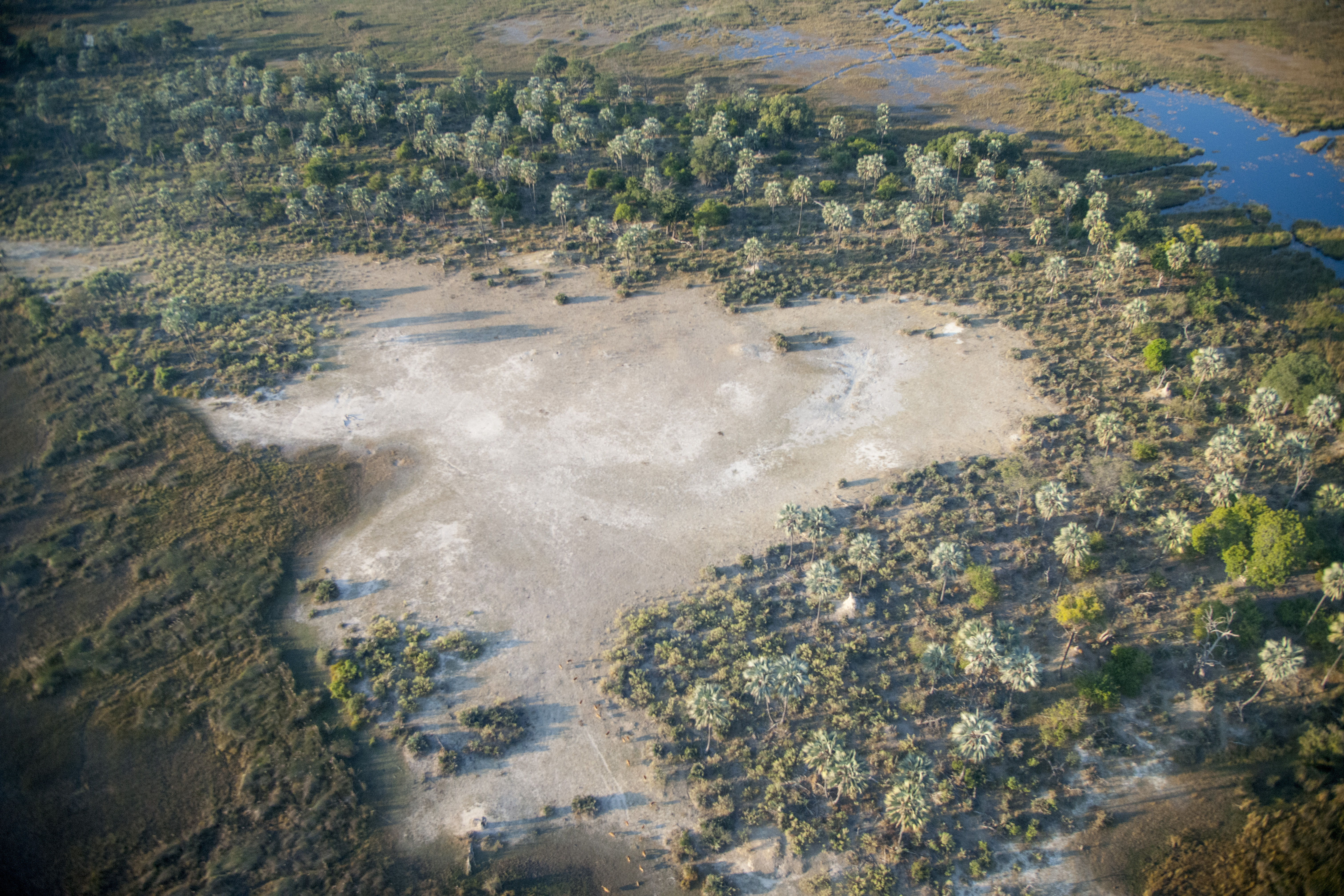
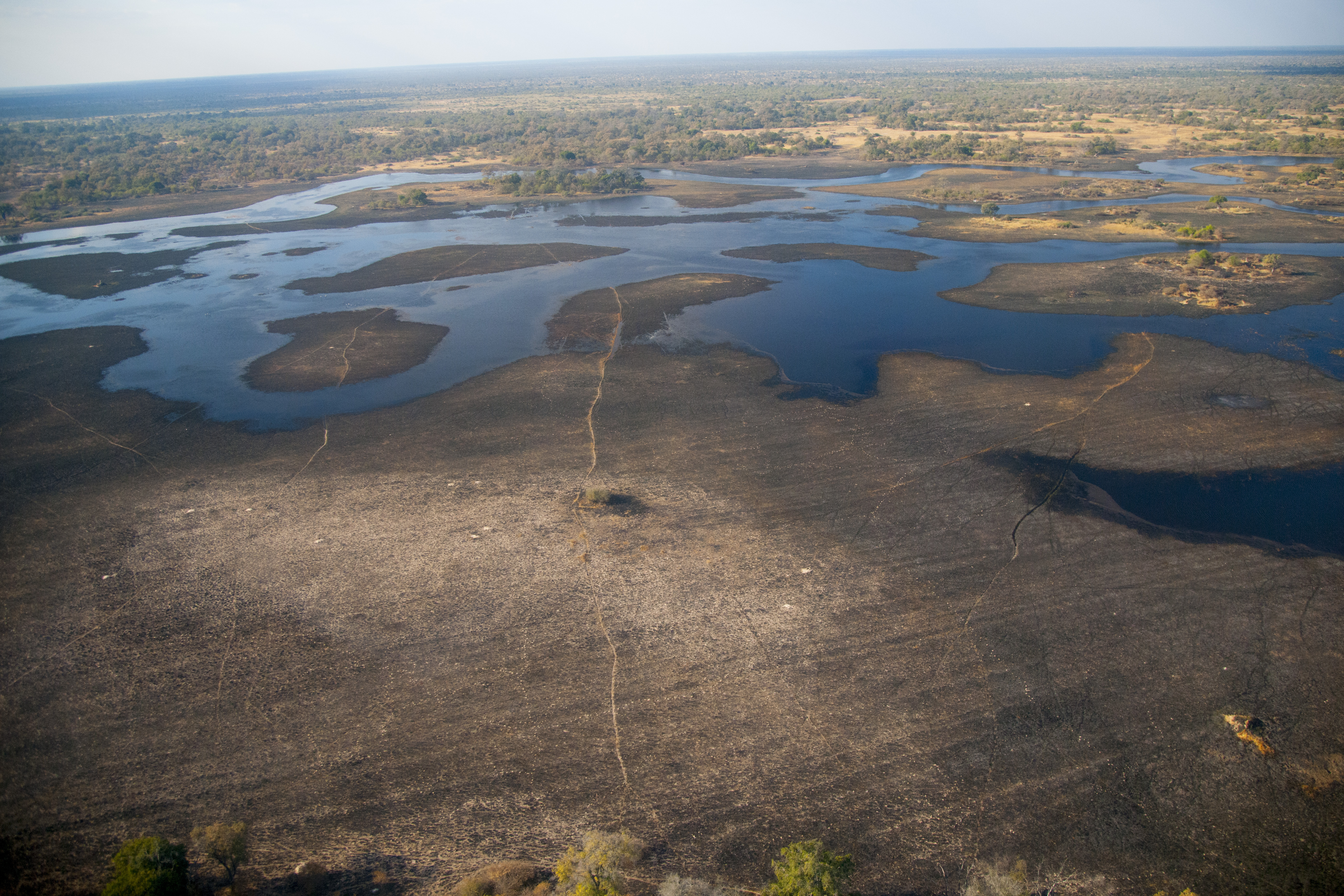
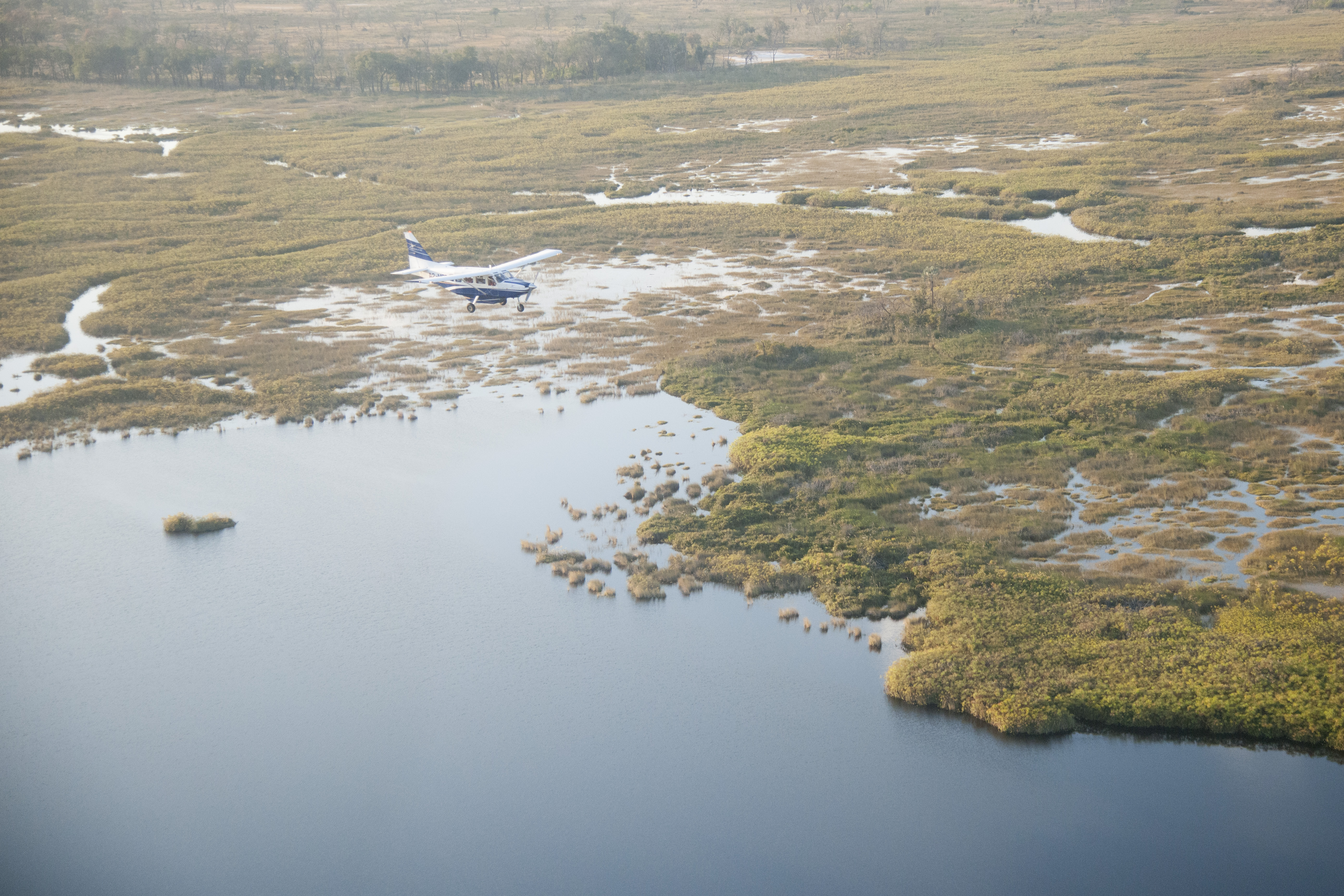
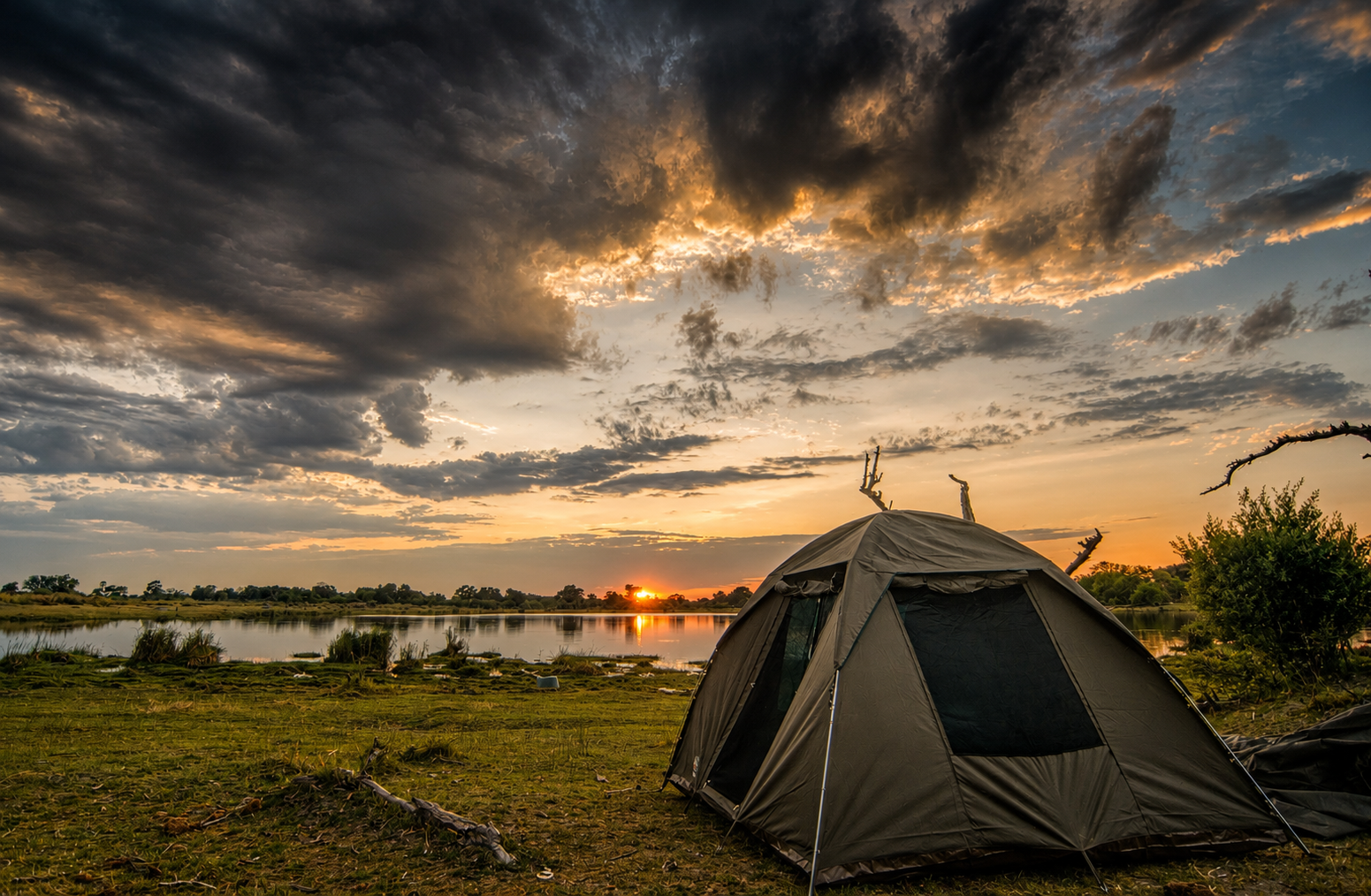
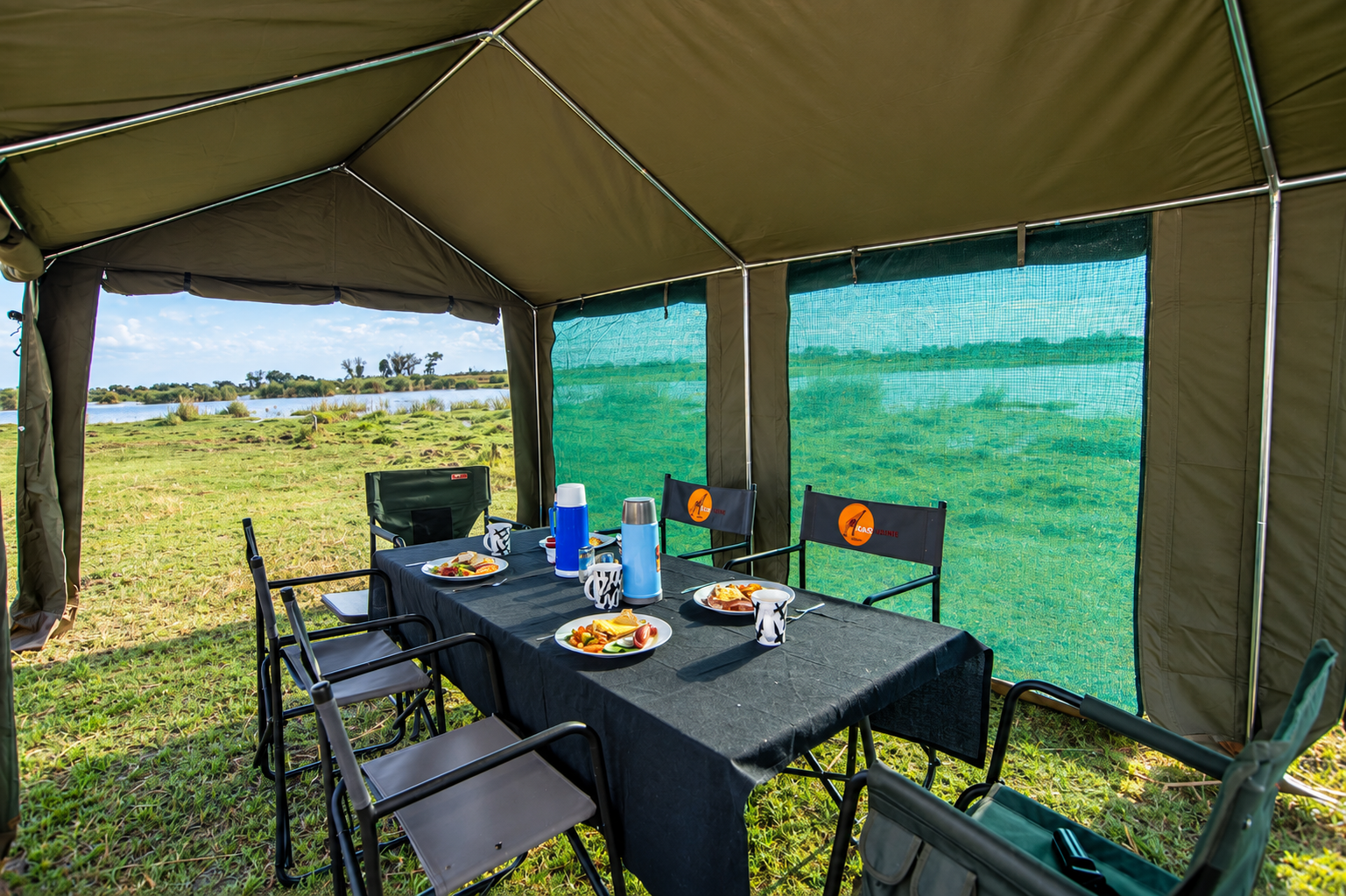
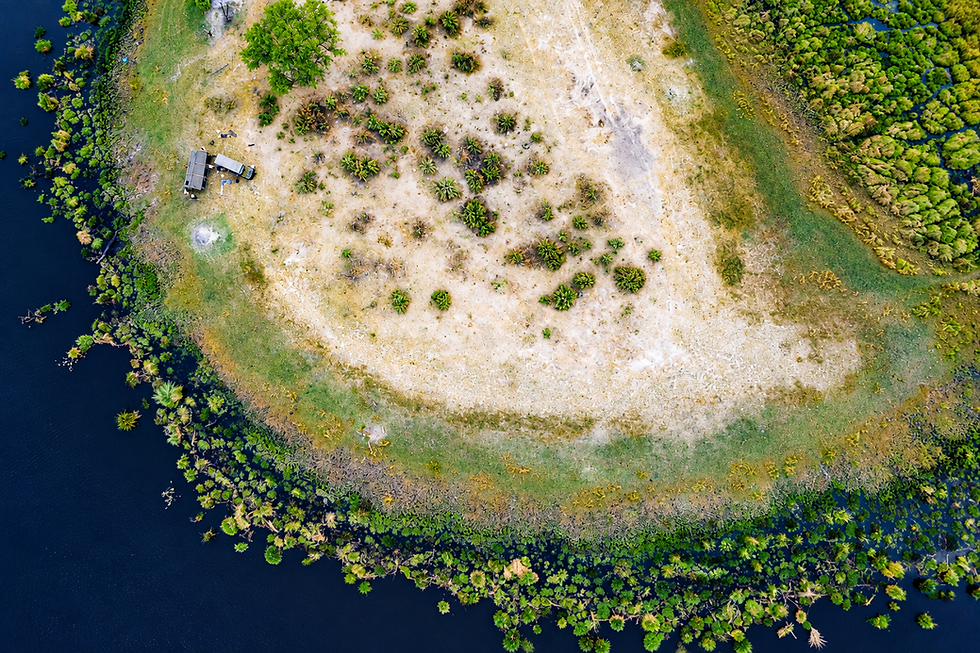
The Okavango Delta is an inland river delta in northern Botswana where seasonal floodwaters
from Angola spread into channels, lagoons, and floodplains within the Kalahari Basin. The
landscape is a shifting wetland system surrounded by arid savanna.Water levels peak during the
dry season, expanding flooded areas, while the wet season brings local rainfall and partial
contraction of channels. This creates constantly changing access to water and grazing zones.
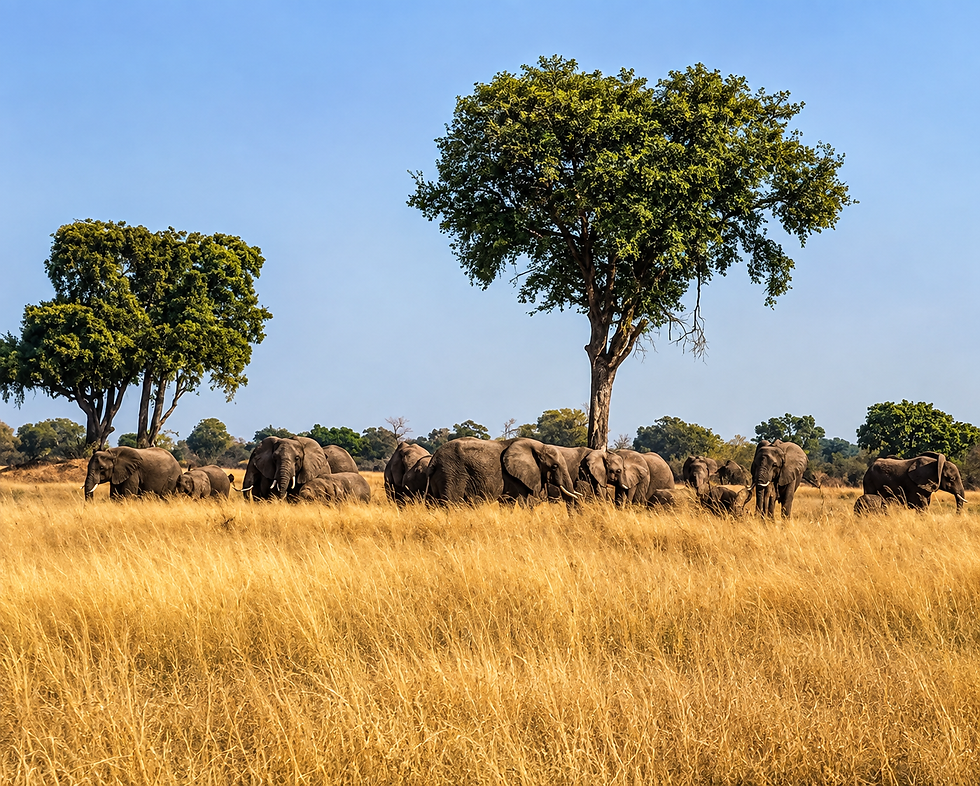
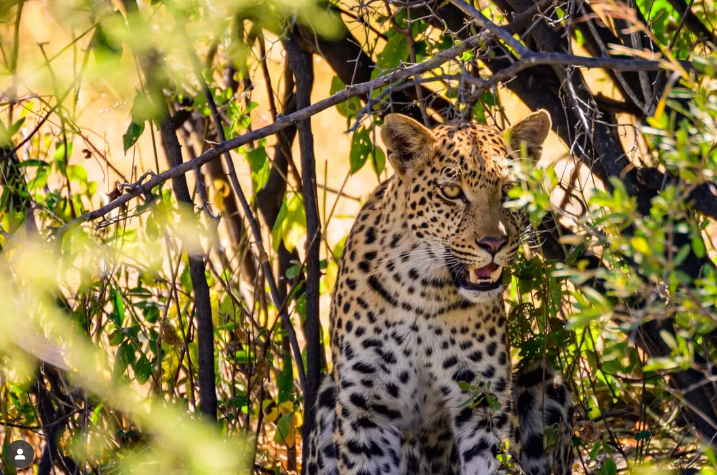
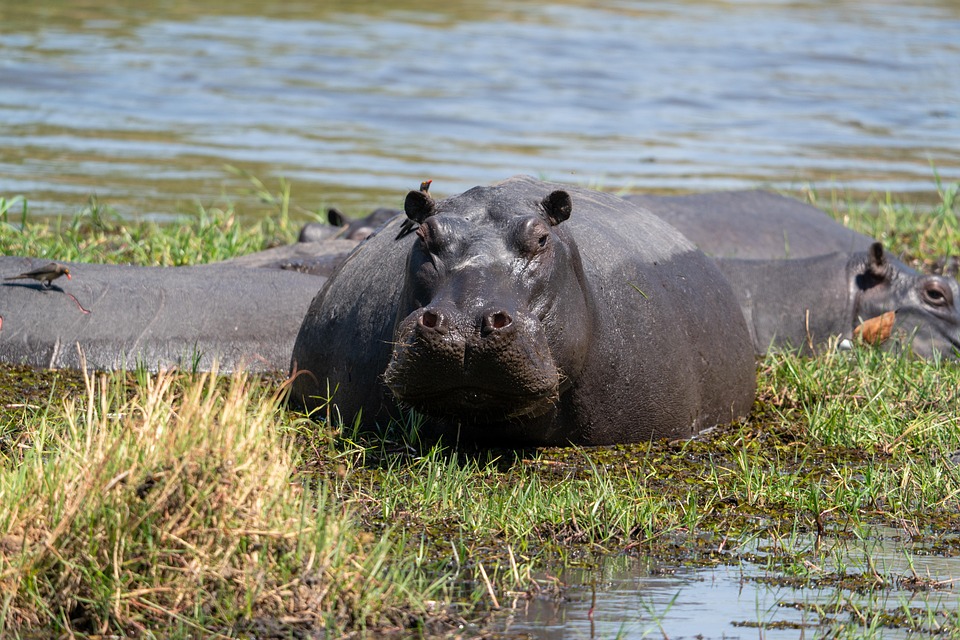
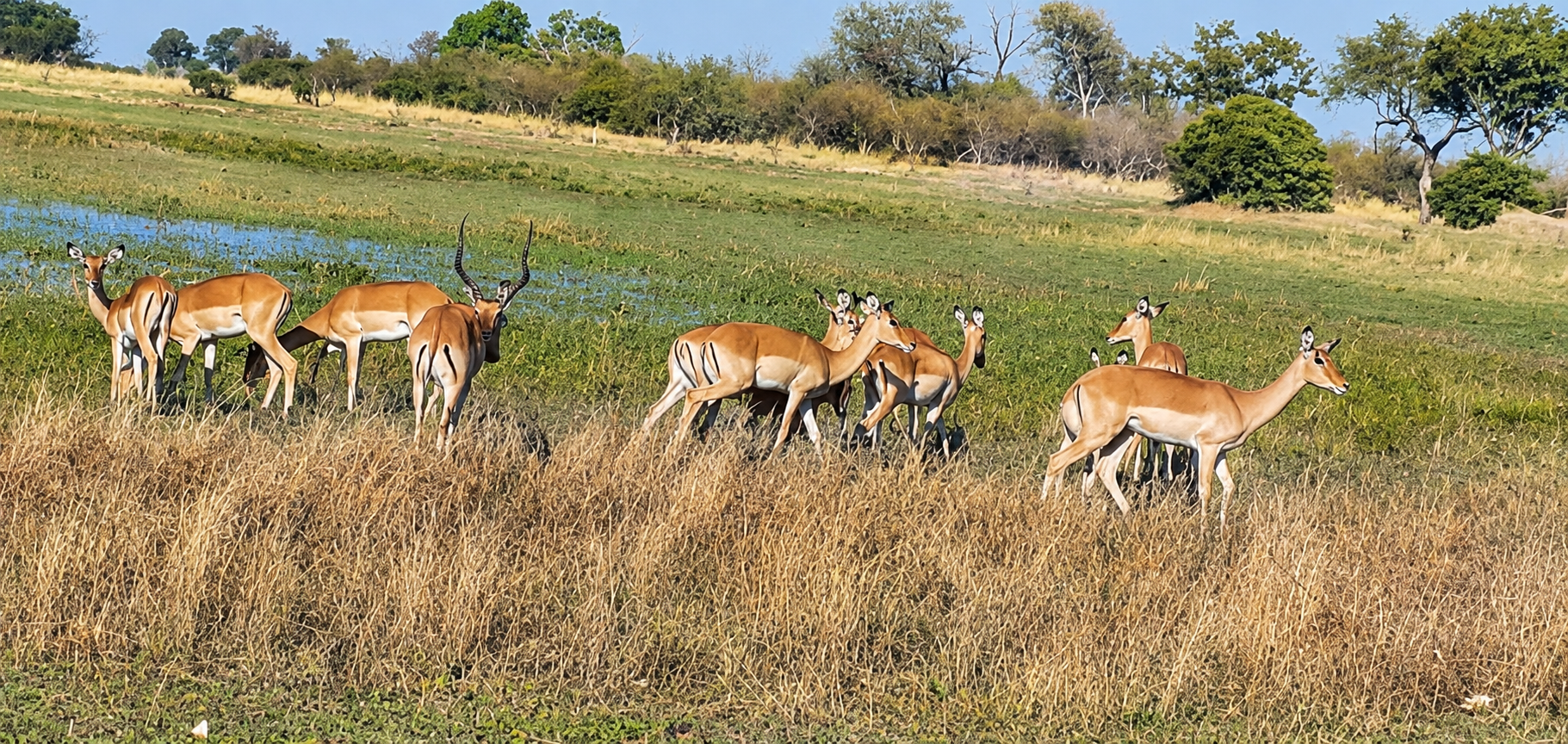
It is known for aquatic wildlife such as hippo, crocodile, red lechwe, and elephant, with strong
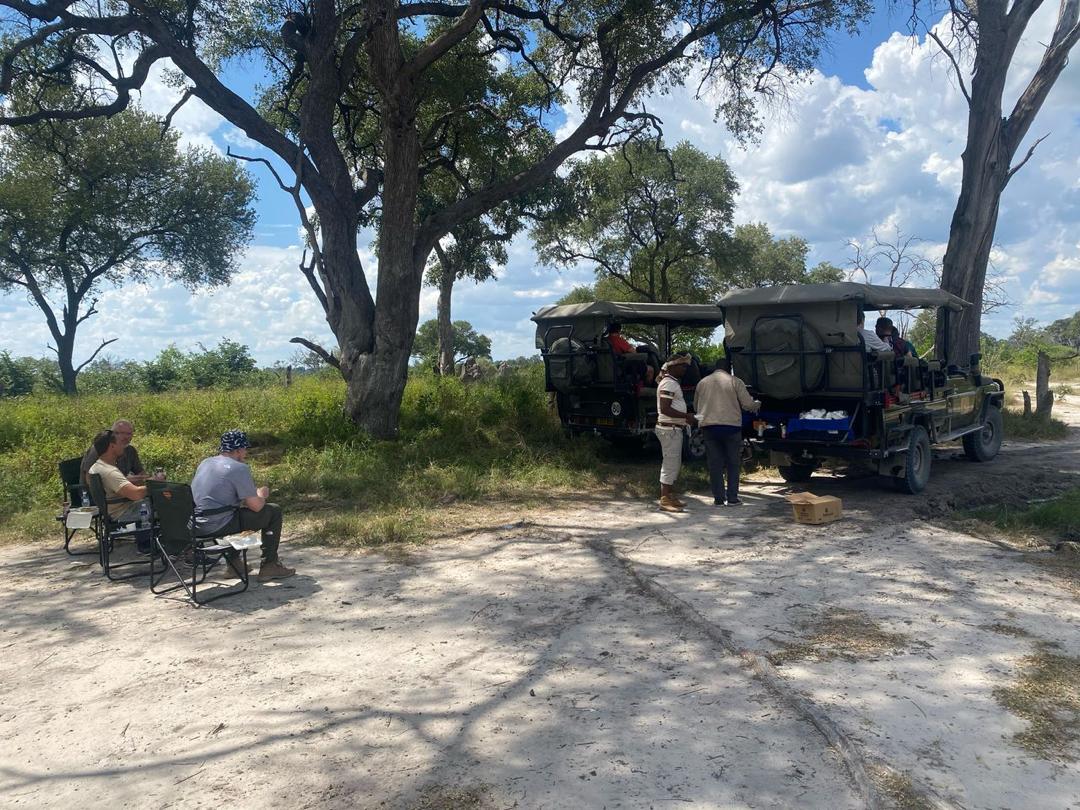
predator presence including lion, leopard, and wild dog.Safari viewing alternates between 4×4
drives on dry islands and mokoro travel through shallow channels, depending on water depth
and terrain access.The delta functions as a water driven safari system where wildlife
distribution is closely tied to seasonal flooding dynamics.
Chobe National Park
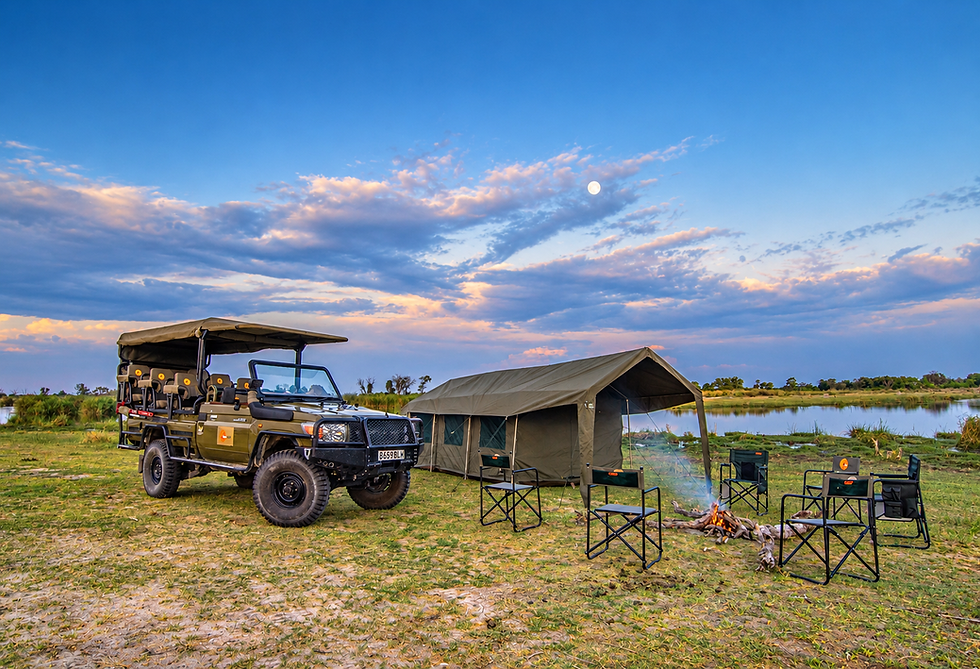
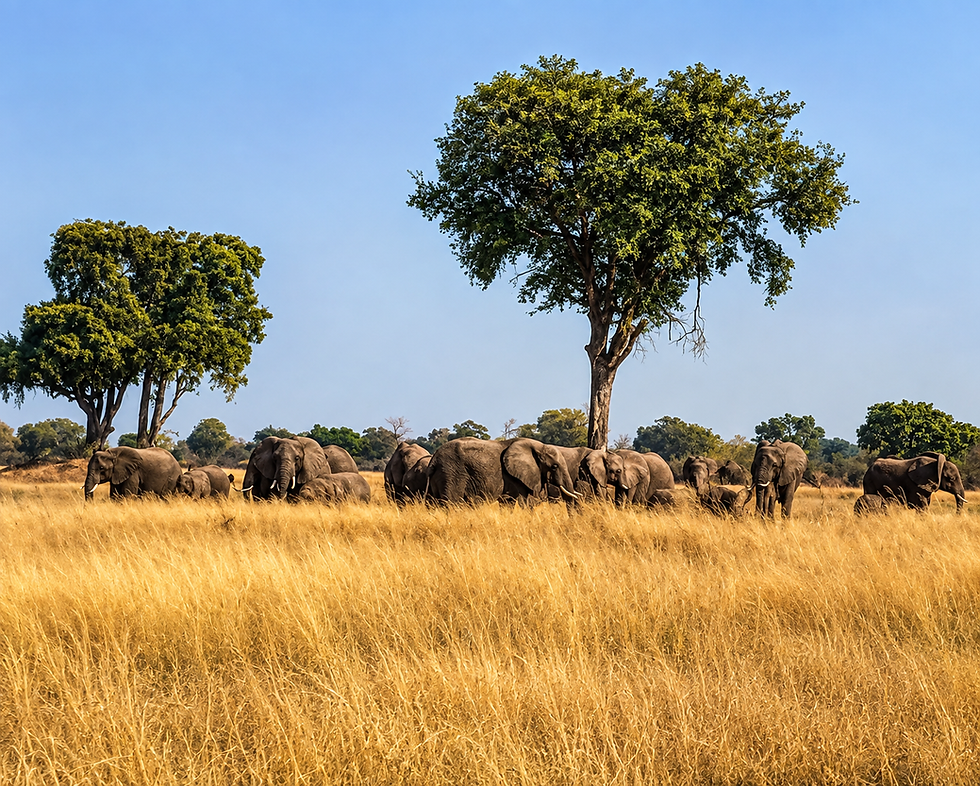
Chobe National Park in northern Botswana combines the Chobe River floodplain with inland
savanna and mopane woodland ecosystems. It forms a transition between permanent water
and semi-arid interior landscapes.Dry season conditions concentrate large numbers of wildlife
along the river, while wet season rainfall disperses animals into the interior.It is especially
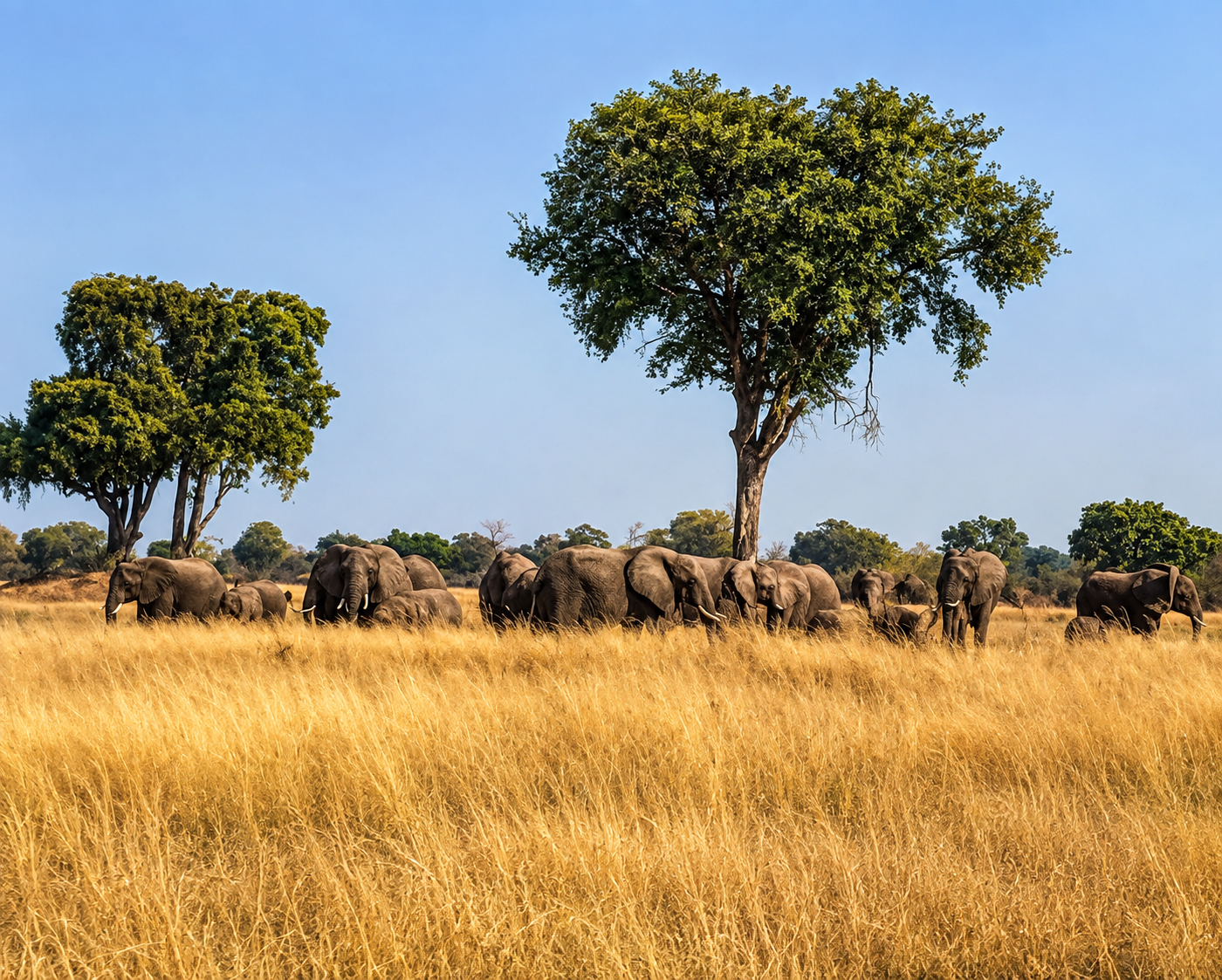
known for large elephant herds, along with buffalo, hippo, crocodile, and lion along the
riverfront.Game viewing occurs via river boat safaris and 4×4 drives, with river edges offering
close range sightings and inland areas providing broader wildlife movement.Chobe functions as
a high density riverfront ecosystem linked to seasonal inland dispersal patterns.
Moremi Game Reserve
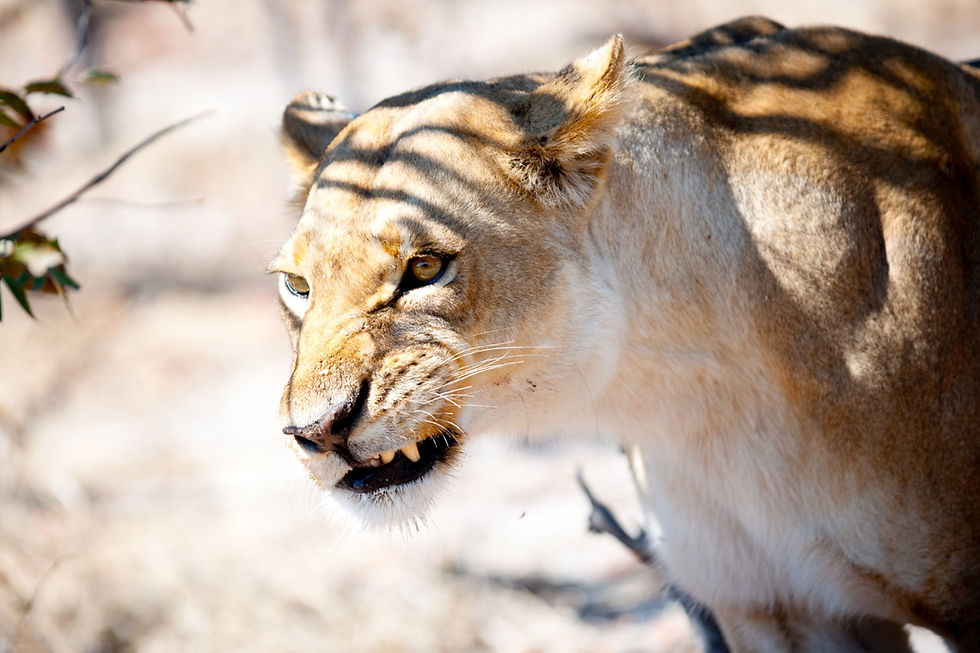
Moremi Game Reserve lies in the eastern Okavango Delta and includes floodplains, waterways,
islands, and mopane woodland. It sits at the interface between permanent delta water and dry
interior systems.Seasonal flooding shapes wetland access, while rainfall influences inland
movement and grazing patterns.It is known for strong predator populations, especially lion,
leopard, and wild dog, alongside buffalo, elephant, and general plains game. Safari viewing is by
4×4 vehicles on variable tracks, with close encounters common due to constrained movement
between water and woodland zones.Moremi functions as a mixed wetland and woodland
predator stronghold within the delta system.
.jpeg)
Savuti
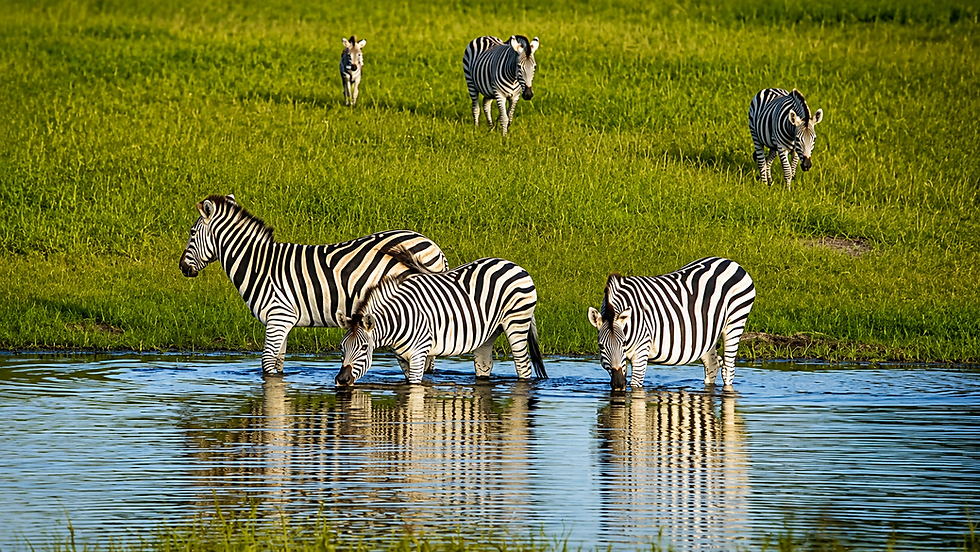
Savuti is located in southwestern Chobe National Park and is defined by fossil river channels,
open plains, and scattered woodland. Water availability in the Savuti Channel varies over
time.Seasonal conditions influence whether wildlife concentrates near water sources or
spreads across dry plains.It is known for lion predation dynamics, hyena interactions, and large
elephant and buffalo movements in arid conditions.Game viewing is by 4×4 across open terrain
with long visibility and wide ranging animal movement.Savuti functions as a semi-arid predator
and plains game landscape driven by irregular water systems.
Makgadikgadi National Park & Nxai Pan National Park
This combined system forms part of the Makgadikgadi salt basin in northeastern Botswana,
consisting of salt pans, seasonal grasslands, and baobab landscapes.Wet season rains
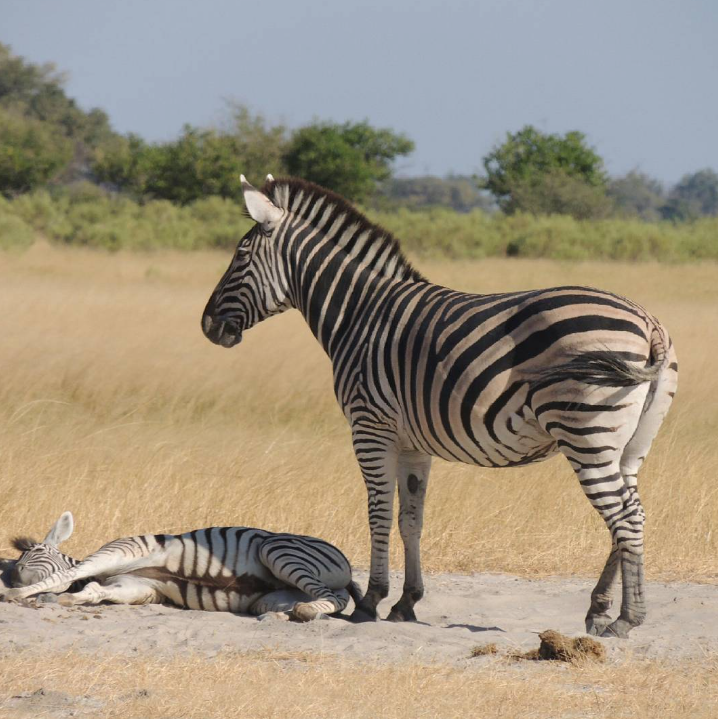
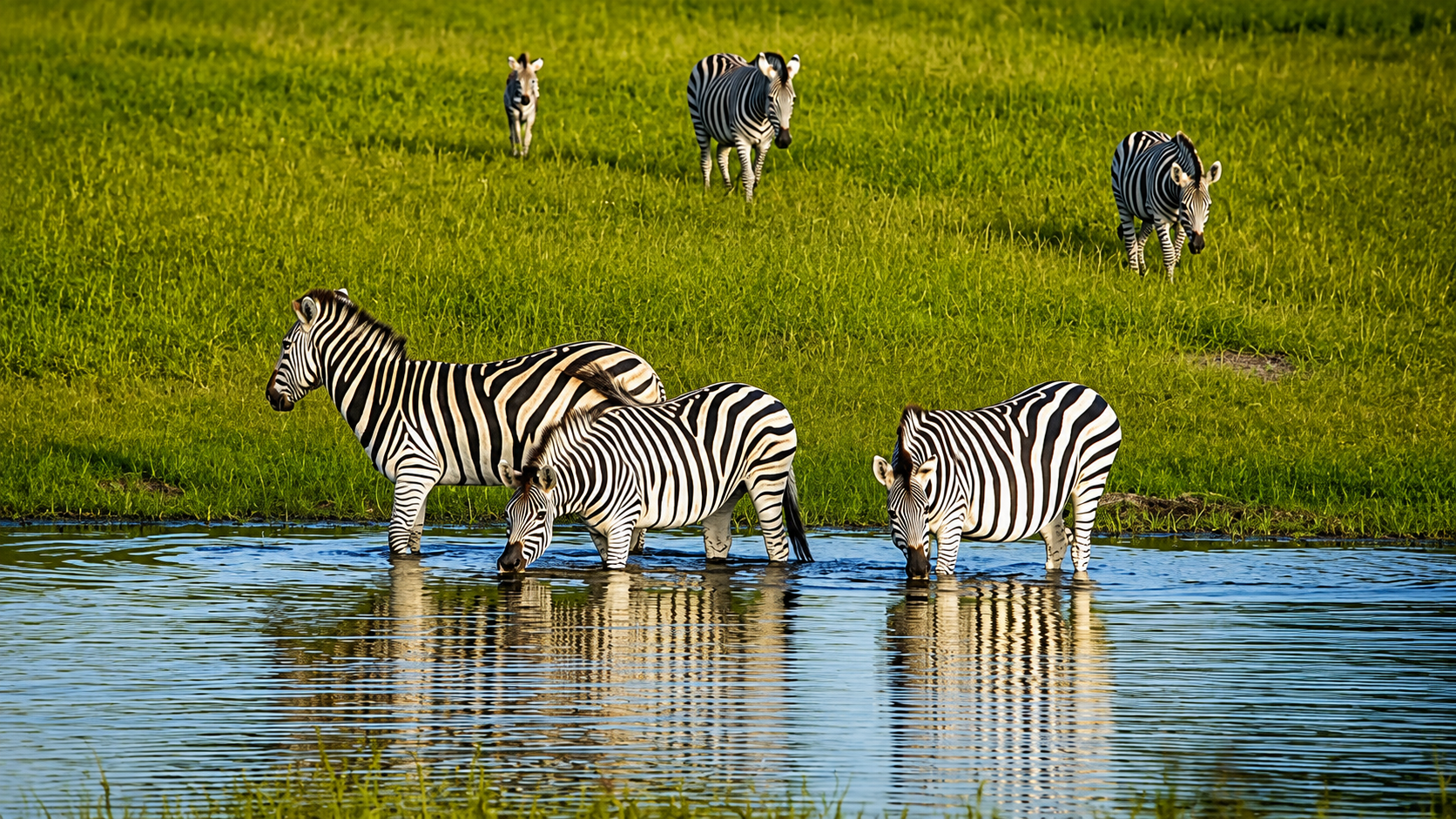
temporarily convert pans into grazing areas, attracting zebra and wildebeest migrations, while
dry season leaves exposed salt flats. It is known for zebra migration, springbok, and predators
such as lion and brown hyena adapted to open terrain.Game viewing takes place by 4×4 across
flat, open landscapes with long distance visibility and sparse vegetation.The system functions as
a seasonal migration landscape defined by extreme openness and rainfall driven wildlife
movement.
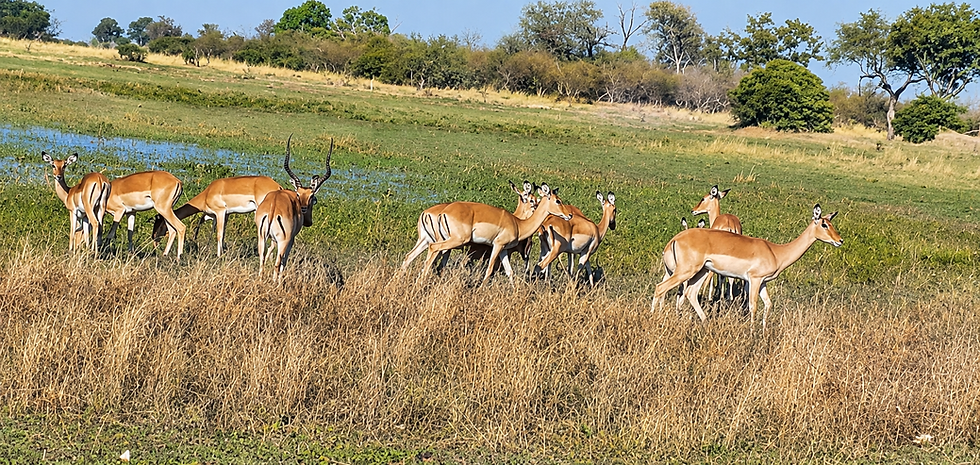
This combined system forms part of the Makgadikgadi salt basin in northeastern Botswana,
consisting of salt pans, seasonal grasslands, and baobab landscapes.Wet season rains
temporarily convert pans into grazing areas, attracting zebra and wildebeest migrations, while
dry season leaves exposed salt flats. It is known for zebra migration, springbok, and predators
such as lion and brown hyena adapted to open terrain.Game viewing takes place by 4×4 across
flat, open landscapes with long distance visibility and sparse vegetation.The system functions as
a seasonal migration landscape defined by extreme openness and rainfall driven wildlife
movement.
Central Kalahari Game Reserve